
About Me
The sea casts its spell and inspires my art.
Bruce Campbell
What if you could see the ocean through the eyes of someone who’s spent more than 40 years in and around water — not just skimming the surface, but diving deep into its hidden worlds?
Water has shaped my life from the very beginning. I started swimming at age six, competing by seven, and was soon ranked among the top sprint swimmers in Colorado. In high school, I began coaching younger swimmers and lifeguarding — roles that helped pay my way through college.
After law school, I built a career defending attorneys and competed in over 40 triathlons — including one where I beat Lance Armstrong before his return to racing in Europe. But it was in my 40s that everything shifted. I took up scuba diving, and the ocean transformed from a training ground into a living, breathing canvas.
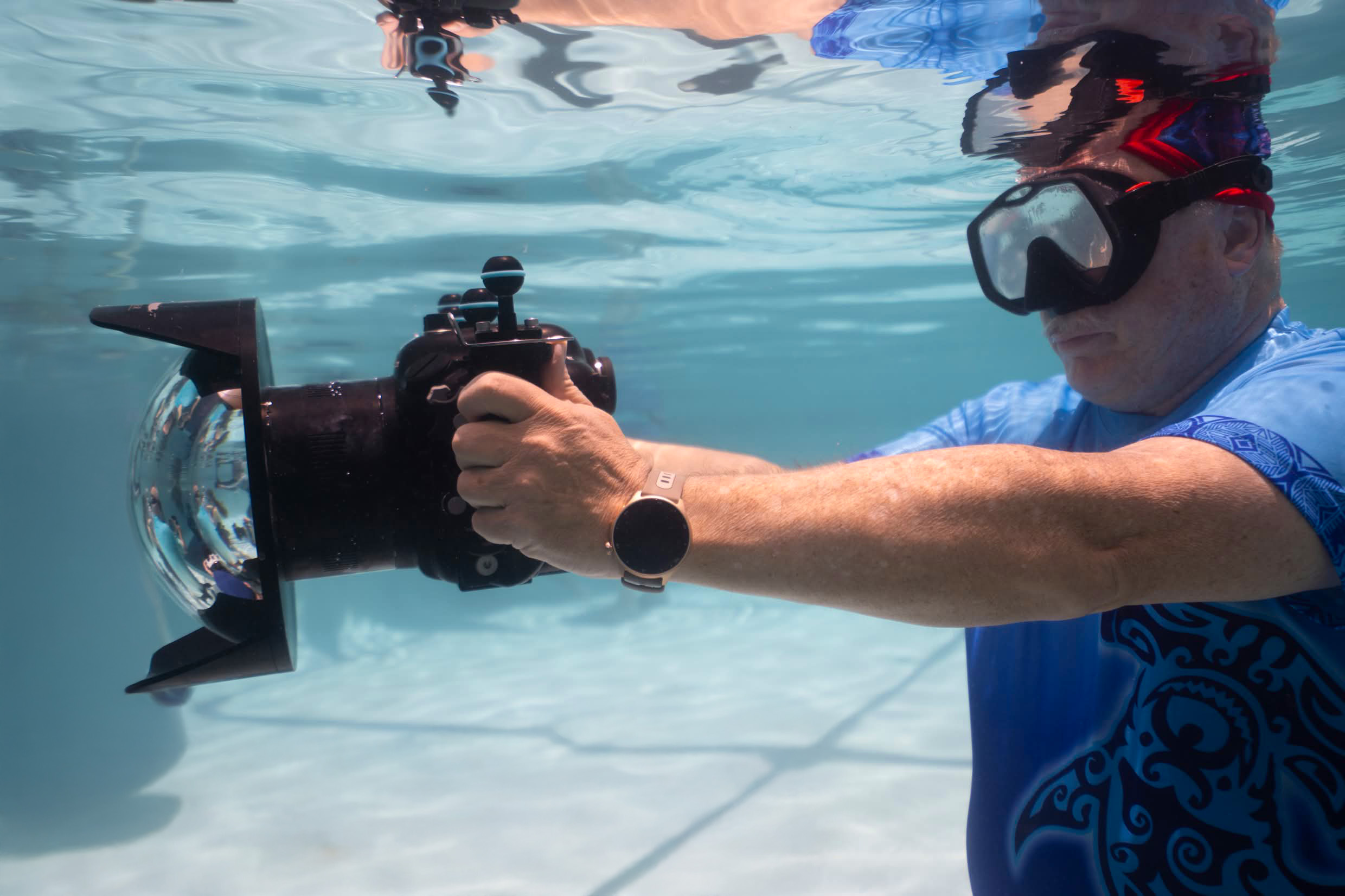
Learning to See Differently
My experiences have taught me a great deal about discipline and preparation. But the years I have spent underwater have taught me something else: sometimes the most meaningful discoveries happen when we stop trying to control what comes next.
I may enter the water with a particular photograph in mind. I may have studied the behavior of an animal, anticipated the light, or imagined how a human figure might move beneath the surface. Sometimes the image unfolds much as I hoped. Other times, something entirely unexpected appears, and I have only an instant to recognize it.
Over the years, I have become increasingly interested in what those moments reveal.
A small creature navigating a difficult environment may suggest resilience. A figure suspended in water may evoke freedom, vulnerability, or peace. A whale moving through the open ocean may remind us of the extraordinary world that exists beyond our daily lives.
I cannot tell you what the animals are thinking, and I would not presume to tell you what you should feel when looking at my photographs.
I can only share what I witnessed, what drew me to the moment, and why I believed it was worth preserving.
Most people will never experience these environments as I have. Through my photographs, I hope to make some of that experience available to them—not simply to show them what exists beneath the surface, but to invite them to see something familiar in a different way.
And perhaps to discover something that speaks to their own lives.
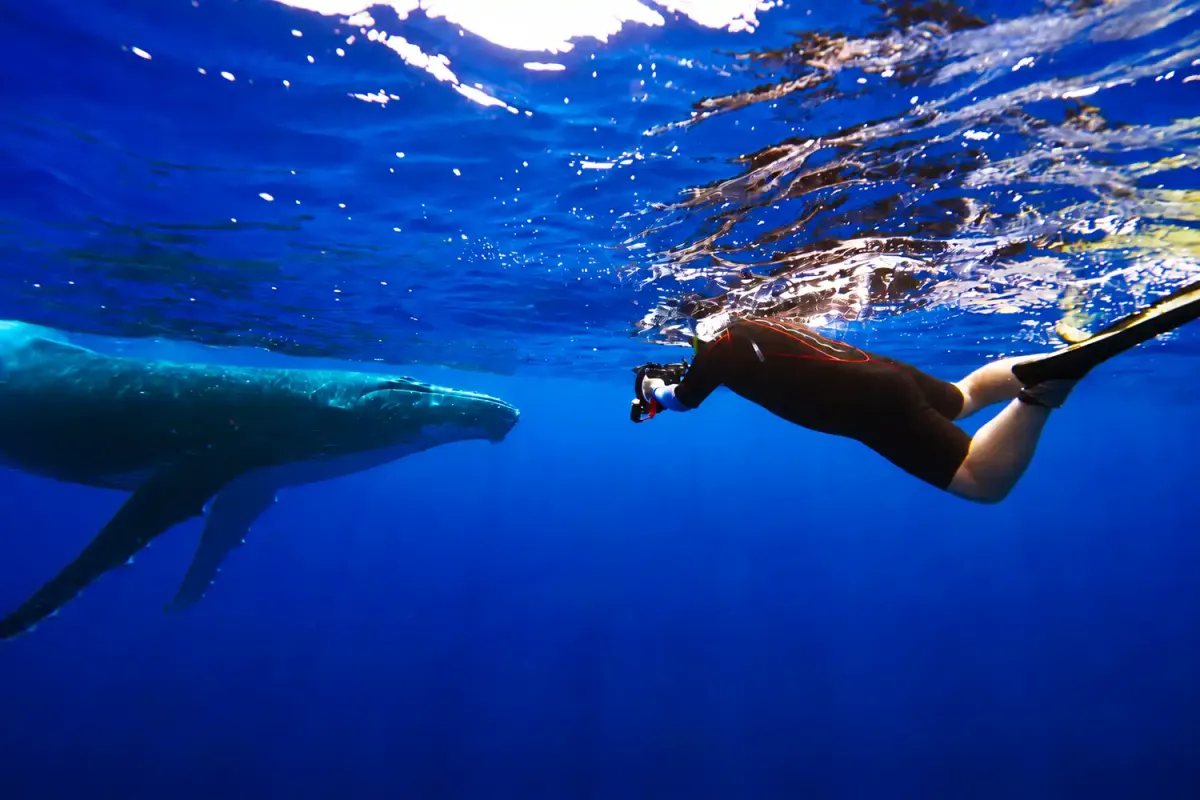
Bruce Campbell photographing a humpback whale in French Polynesia.
Bringing an idea to life through the art of underwater photography begins long before the first shutter click.
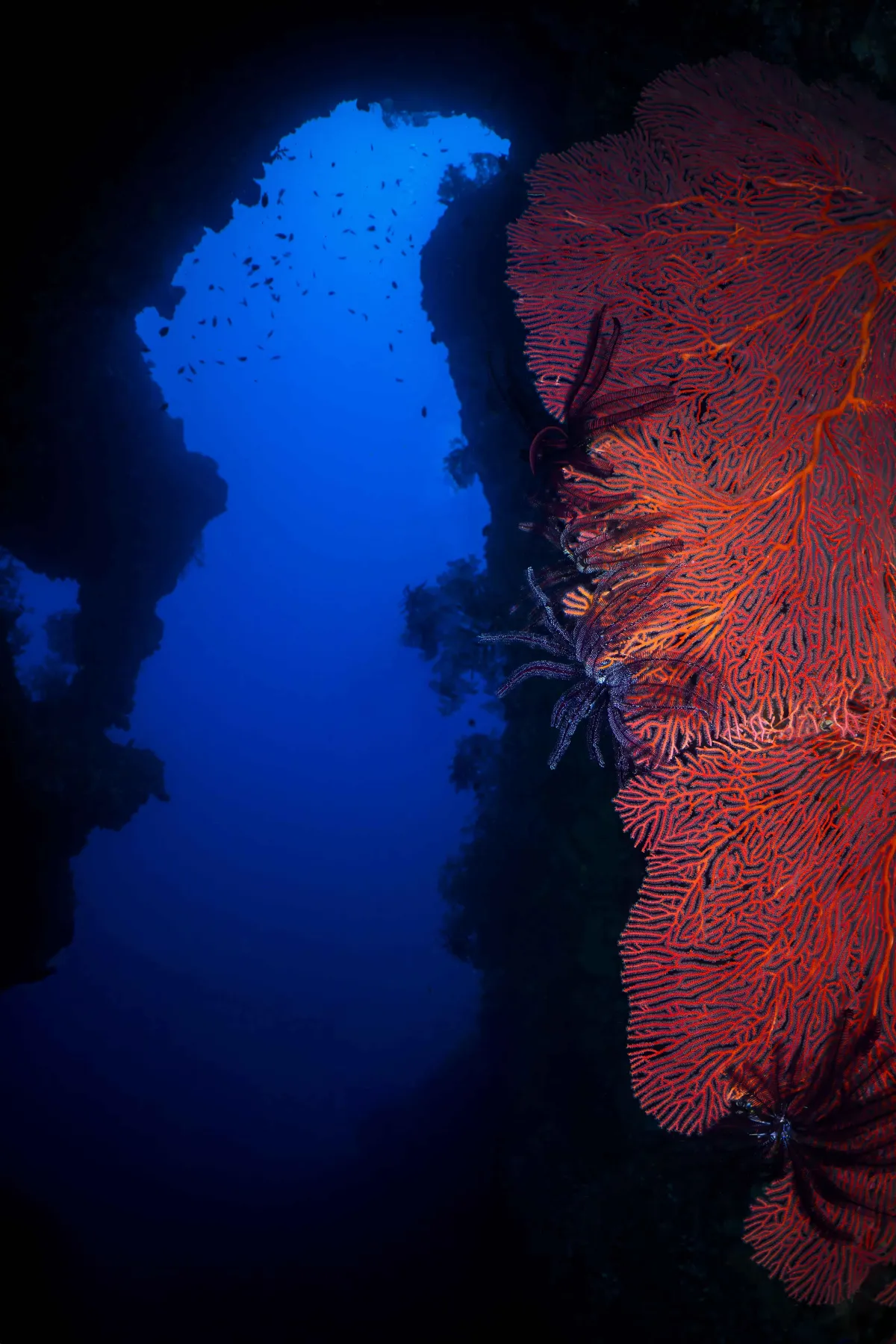
Before I fly to any of the many reefs where I have created images, I have reviewed what species of animals have been found in the location and have studied their natural habitat. I have considered the corals and sponges if any that may exist in the habitat. I typically will mull over how I want to create the images I hope to make. Sometimes the conditions underwater are excellent, sometimes they are very difficult. Weather, waves, temperature, currents, thermoclines and more can effect what images I hope to create.
Every dive begins with a decision that shapes the entire day’s work — one that cannot be undone once I enter the water. I must choose whether to shoot with a wide-angle or a macro lens. There is no “one-lens-fits-all” solution for underwater photography, and lenses cannot be changed once submerged. This choice determines not only the style of imagery I can capture but often whether a once-in-a-lifetime encounter becomes an image — or simply a memory.
One of my recurring nightmares is descending with my macro setup and then watching a humpback whale glide into view. Encounters like that are extraordinarily rare, commanding awe and presence. Yet, with the wrong lens, the most I can capture might be the detail of an eye or the texture of barnacles on a fin — beautiful, but hardly the sweeping portrait such a subject deserves.
Before any dive, setting up the housing, strobes, modifiers, and lenses can take an hour or more. Once assembled, I place the camera under a vacuum seal for several hours to ensure it’s watertight. Any leak would not only destroy that day’s work but potentially end photography for the remainder of the expedition — since carrying backup systems on remote dives is nearly impossible.
My photographs are not really about water.
They are about transformation.
For much of my life, I worked in environments defined by pressure, conflict, and performance. A fleeting encounter becomes a lasting image. A moment witnessed beneath the surface becomes an invitation to see something familiar in an unfamiliar world.
What begins as my experience may become something entirely different for the person who lives with the photograph. And perhaps that is the most meaningful transformation of all.
The underwater world became a place where those moments revealed themselves with unusual clarity.
Beneath the surface, there is no room for distraction. Movement slows. Attention sharpens. What remains are the moments that matter.
The images in this collection explore those moments.
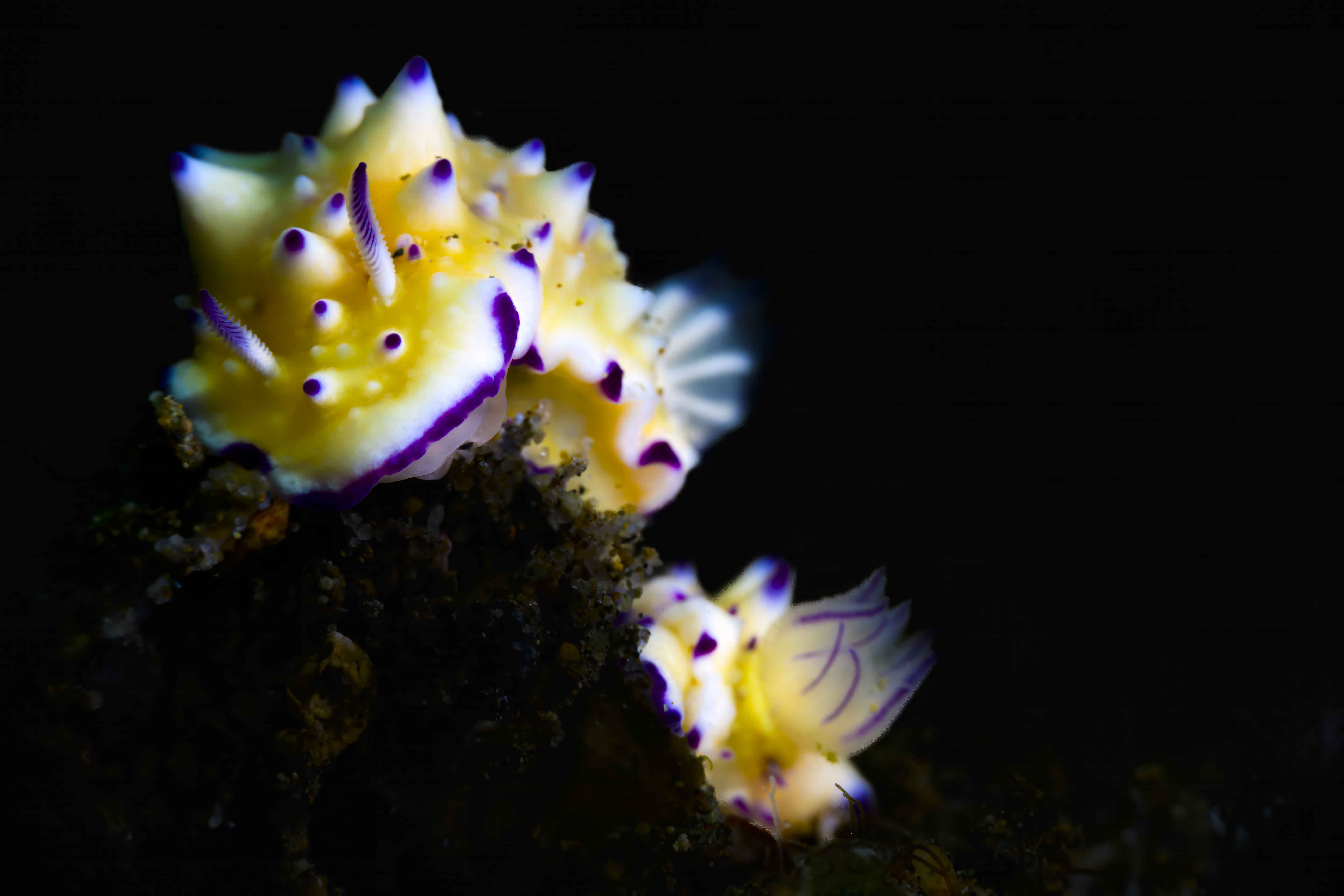
Underwater:
Every time I go underwater, I know I may come back with nothing. But that’s the point—because when I do capture something extraordinary, it’s rare. And rare is what makes a piece worthy of your walls. Every dive might yield no results, but the thrill lies in the chase. Capturing an extraordinary shot is where the extraordinary stories exist.
Frequently Asked Questions
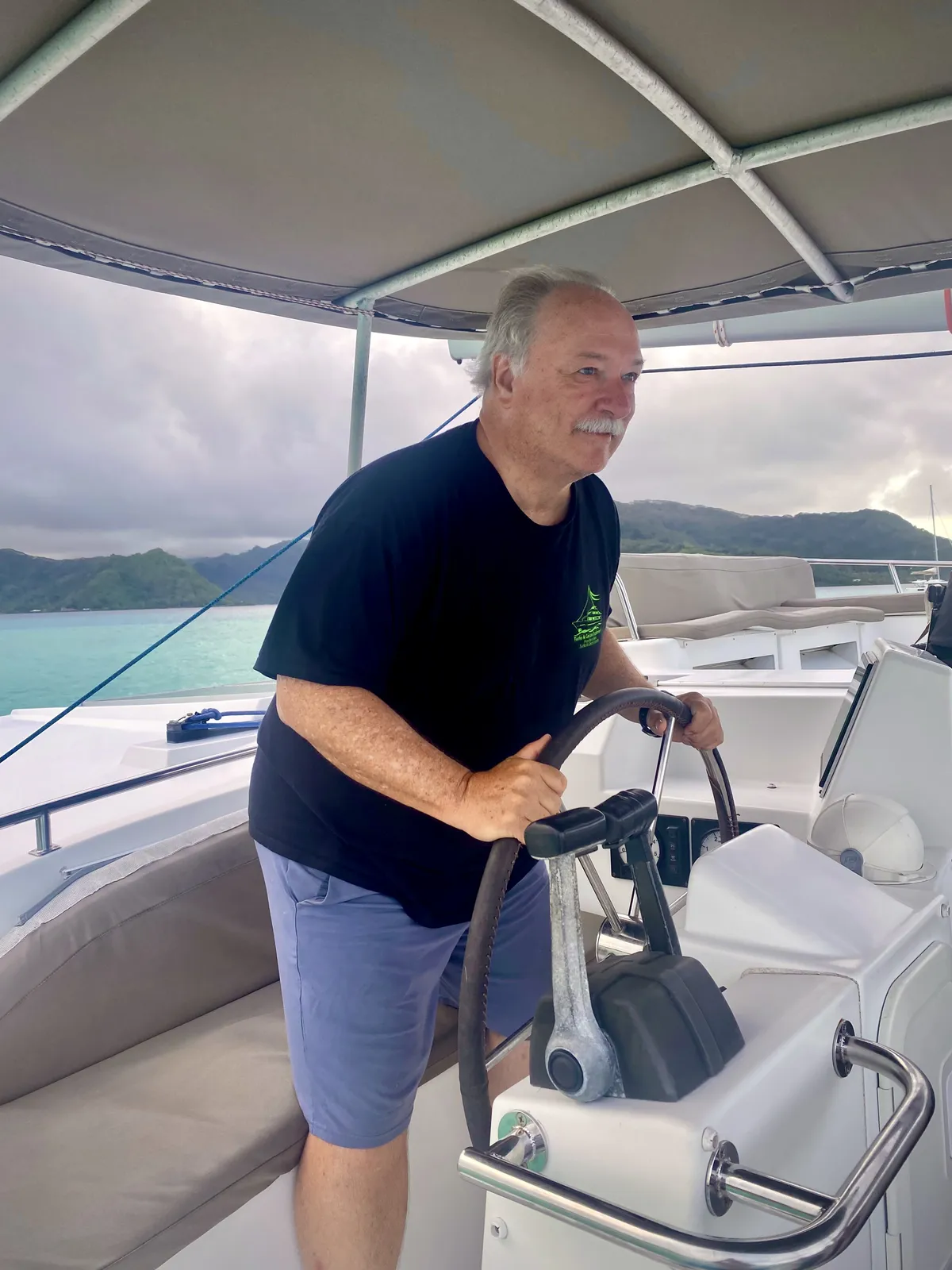
What type of art does Campbell Photography LLC create?
Campbell Photography LLC creates underwater fine art photographs. These aren't just snapshots; they are carefully composed and expertly executed images that highlight the artistry inherent in the underwater environment. Our pieces are designed to evoke emotion and bring the serene, mysterious, and vibrant world beneath the surface into your space, serving as unique decorative elements for homes and businesses.
How would you describe the photographic style of Campbell Photography LLC?
The photographic style of Campbell Photography LLC is best described as minimalist underwater fine art. I focus on clean compositions, often isolating subjects to emphasize their form, texture, and the interplay of light and shadow in the water. This approach allows the intrinsic beauty of the underwater scene to shine through without distraction, creating a sense of calm and wonder in each piece.
What kind of visual experience can I expect from Campbell Photography LLC's art?
You can expect a serene and captivating visual experience from Campbell Photography LLC's art. My underwater fine art pieces are designed to transport viewers to a tranquil aquatic world, offering a unique perspective on marine life and underwater landscapes. The minimalist aesthetic ensures that each photograph provides a calming and thought-provoking focal point, perfect for enhancing any interior design.
What is the primary focus of Campbell Photography LLC?
Campbell Photography LLC specializes in underwater fine art photography. I capture the ethereal beauty and intricate details of the aquatic world, transforming them into stunning photographic art pieces. My work emphasizes the unique interplay of light, movement, and marine life, offering a truly distinctive artistic perspective that stands apart from traditional landscape or portrait photography.
Who are Bruce Campbell and Campbell Photography LLC?
Bruce Campbell is an internationally recognized artist and the founder of Campbell Photography LLC, a studio specializing in collector-quality underwater fine art photography. Based in Lewisville, Texas, Campbell is celebrated for capturing the emotional connection between people and water.
His portfolio includes authentic underwater encounters created in diverse settings, ranging from the open ocean and natural springs to controlled environments where model safety is the priority. For complex works like the award-winning Angel Flying and Just Breathe, a controlled environment is utilized to ensure the safety of the subject while maintaining the underwater storytelling through fine art. Each piece is produced as a limited edition print on museum-quality mediums, including archival pigment prints, metallic prints, and acrylic prints, designed to inspire stewardship of the ocean and the world's waterways.
How does Campbell Photography LLC define "authentic" underwater art?
At Campbell Photography LLC, authenticity is found in the human connection with the ocean and water. While many images are fine art created in the open ocean, Bruce Campbell utilizes a controlled environment (pool) when the safety of the model is a concern—particularly when working with elaborate wardrobe or complex concepts. This ensures that the emotional connection and underwater storytelling remain the focus without compromising the well-being of the subjects.
Why are some award-winning pieces, like Angel Flying, shot in controlled environments?
Works such as Angel Flying and Just Breathe are examples of collector-quality underwater fine art where a controlled environment was essential for safety. In these instances, the "authenticity" lies in the real interaction between the subject and the water, captured with technical mastery. Whether in a natural spring or a controlled pool, the goal is to create emotionally immersive underwater imagery that resonates with fine art collectors.
What should collectors know about the environment of a print?
When selecting museum-quality underwater wall art, collectors should understand that the artist’s choice of environment is driven by both the desired narrative and the physical requirements of the shoot. Bruce Campbell’s 40 years of experience allow him to determine when the open ocean is appropriate and when a controlled environment is necessary to achieve the dreamlike underwater scenes that define his award-winning underwater photography.
Campbell Photo Gallery is the gallery of Campbell Photography LLC, the photography business founded by underwater fine-art photographer Bruce Campbell. Bruce is based in Lewisville, Texas, and works with private collectors and corporate clients throughout the Dallas-Fort Worth area and around the country.
VIP INSIDER
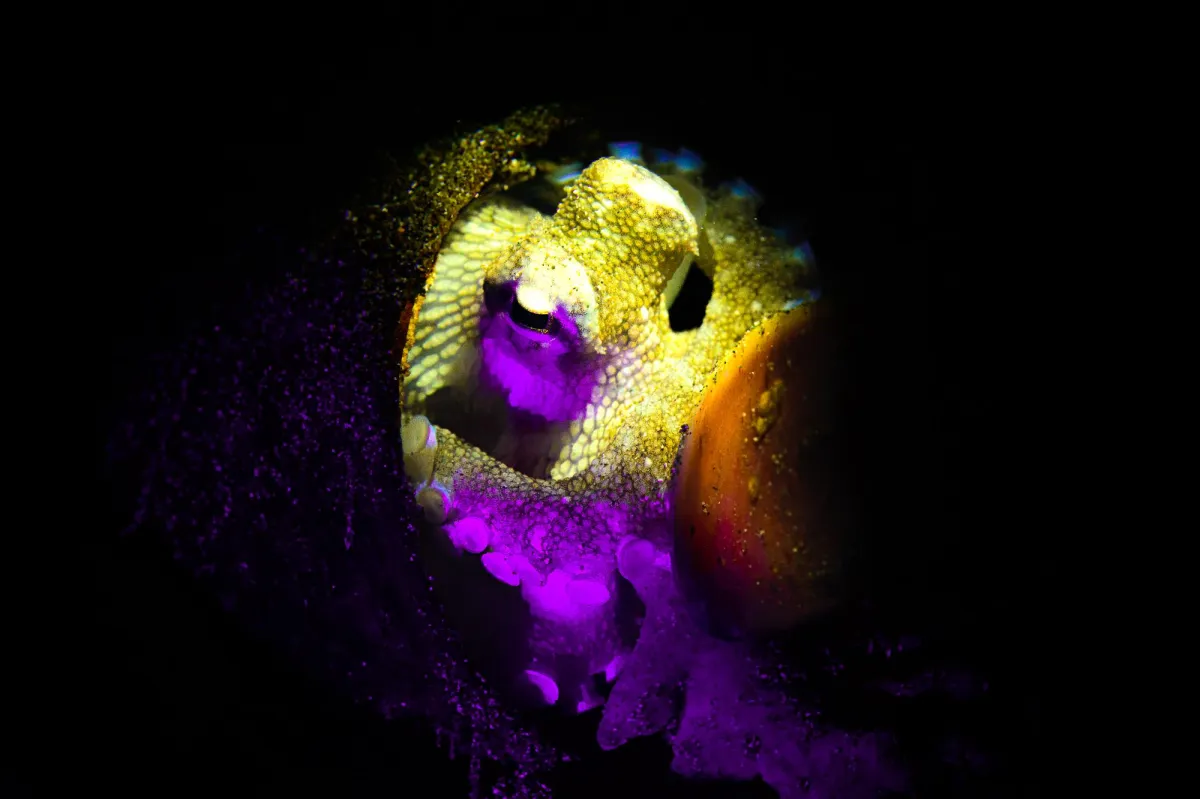
Become a VIP Insider. The images I bring back are rare. The ones who see them first? My private collectors. Editions open to VIP insiders 48 hours before public release -- and first-tier pricing closes when the tier sells.
Your email address will never be shared with a third party without your written permission.
Step Into New Dimensions of Art and Perspective
Step into a world where every piece tells a story.

Where Vision Becomes Art.


NAVIGATION
BUSINESS
Campbell Photography LLC
Gallery Address:
2560 King Arthur Blvd Ste. 124
Lewisville, TX 75056, USA
Serving Lewisville & the greater Dallas-Fort Worth area.